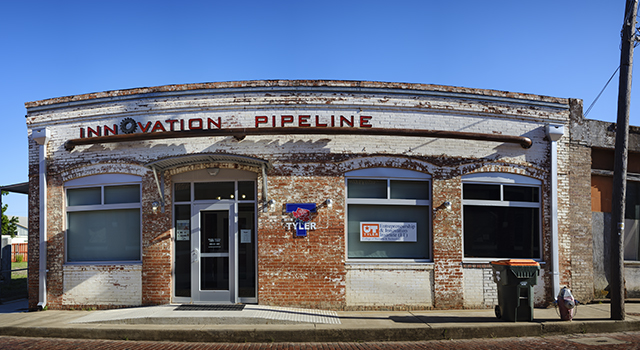
The Innovation Pipeline opened in April 2017 as a city-run "innovator's laboratory" for entrepreneurial Tylerites, who can join with a monthly membership. The lightly renovated historic building houses 3-D printing machines, woodworking tools, recording equipment, and more in a loft-like space.
In 2019, the Pipeline became an independent non-profit, and it’s hoping to add a summer camp and a bigger woodshop with new classes. Some members are even patenting new designs there. Local entrepreneur Nathan Lamaster used the facility's 3D printers to prototype his latest invention, Innovation Pipeline"Smart Punch," a device that opens medicine blister packs.
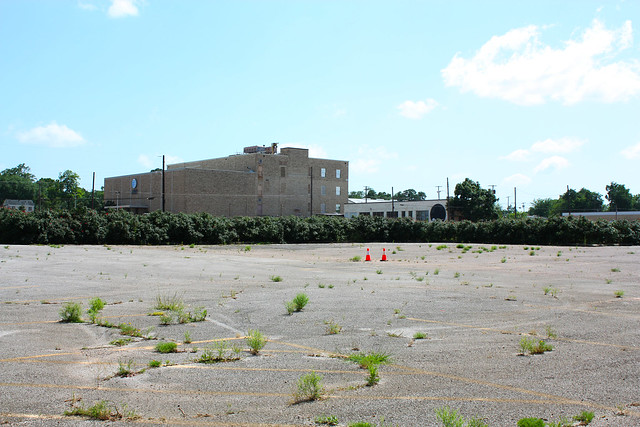
In 2017, the Scarborough family bought this enormous empty lot across from City Hall, which used to house King Chevrolet, and announced a $12 million plan called The West Park at Downtown. It features over 100 one- and two-bedroom units, priced at market rate and aimed at urbanophile millennials and downsizing Baby Boomers; 4,000-square-feet of first-floor retail; and a “classic downtown brownstone” feel.
At the time of the sale, it represented the biggest private investment in downtown Tyler’s history, and construction was tentatively expected to begin by the end of 2018. As of June 2019, the lot remains unchanged.
Project lead Sam Scarborough says West Park’s construction will begin after progress is made on a different project from the same company, a 36-unit midtown apartment complex that’s expected to break ground in late summer. “We are finalizing all phases of the [West Park] project,” he says. According to Scarborough, the vision for West Park remains unchanged, with the addition of a rooftop deck above the ground-floor retail space. “The retail portion will bring new businesses downtown and the rooftop deck will provide a new downtown venue opportunity for both the tenants and the public,” he says.
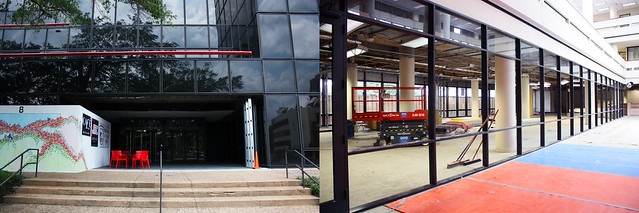
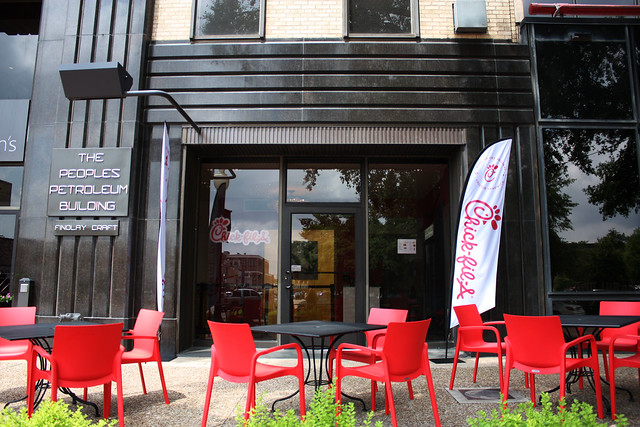
Developers behind the major People’s Petroleum Building renovation are now turning to the iconic but underutilized Plaza Tower next door, which was originally constructed in the 1980s.
Andy Bergfeld, who heads development group Patriots LLC along with Tim and Garnett Brookshire, says part of the new Tower’s first floor is aimed at retail. Café 1948 is already in the revamped lobby, the new True Vine Taproom is moving in soon, and future possibilities include an art gallery, salons, and even a crafts market.
They’re also redoing some of the office space, saying goodbye to outdated wood paneling and bringing in floor-to-ceiling windows. “Your city’s only as good as your downtown,” says Bergfeld, who hopes this renovation will help foster a downtown that’s “bustling with activity from daylight to midnight.”
Set to open in fall 2019 on the bottom floor of the Plaza Tower, the new 1000-square-foot True Vine taproom will offer beer and wine. Marketing director Jared Chacon says they want to preserve the “iconic feel” of the Plaza Tower while proving downtown can be more than a “pass-through.” The company is also anxiously waiting to see whether Governor Abbott will pass a bill to allow consumers to purchase six-packs, growlers, and crawlers from breweries for off-premise consumption.
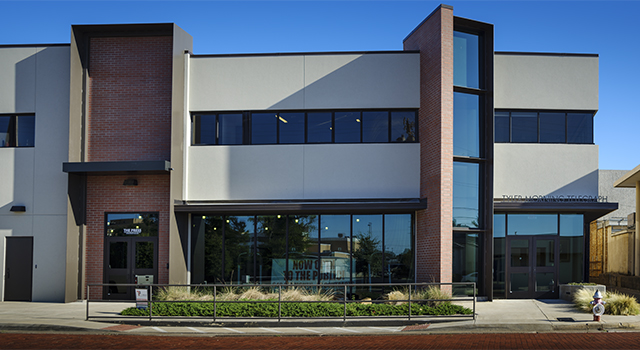
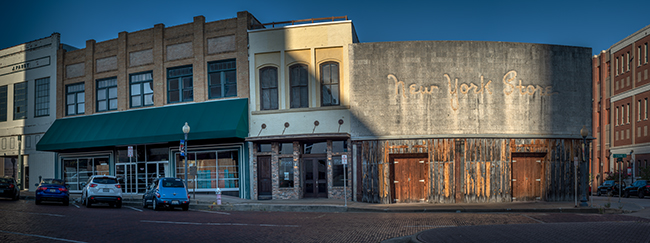
From the outside, there has been little visible progress on two major developments along Spring Avenue, the eastern stretch of Tyler's downtown square.
In late 2016, Deborah and John O’Sullivan, who have renovated several downtown properties over the last 25 years, purchased the former home of the New York Store with the aim of creating eight loft apartments and restoring the building to its late 19th-century glory, and preserving the old business's iconic sign. Demolition was approved in February 2018, but according to City of Tyler downtown expert Amber Rojas an unstable roof and the need to remove several dozen tons of garbage has lengthened the demolition process.
Meanwhile, the popular Mexican restaurant Don Juan on the Square is still set to move across the square into the former Levine’s department store, with plans for a full bar and a dance floor. Construction of the new space continues. You can see behind-the-scenes pictures of Don Juan on the Square's new home in our photo essay.
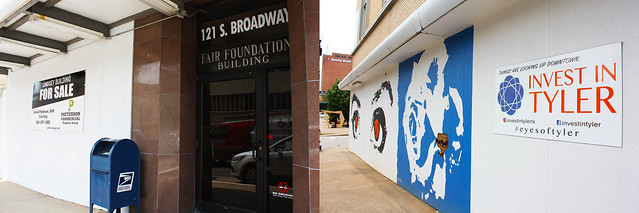
The Fair Foundation Building at 121 S. Broadway, built in 1942 to house a Sears Roebuck department store, and the Lindsey Building next door were gifted to the city in 2010 by the R.W. Fair Foundation, along with an empty lot. The city auctioned off all three properties in 2015, and Invest in Tyler, which was then heavily investing in downtown property, bought them for about $1.6 million. The Fair Foundation Building has office tenants, and the Lindsey Building was almost totally demolished inside.
Before the city sold the Lindsey Building, it hoped to convert it into a major downtown arts center, but private funding never materialized. In 2016, local artist Dace Lucia Kidd unveiled her mural “Eyes of Tyler” along the bottom of the building.
In 2019, Invest in Tyler put the Fair Foundation and Lindsey buildings up for sale along with other downtown properties, switching focus to an "opportunity outside of real estate investment.” The Lindsey Building remains a gutted blank slate for potential buyers, and the Fair Foundation building is still mostly unoccupied office space. Patterson Commercial Property Group now manages the buildings, and Invest in Tyler told The Tyler Loop it looks forward to the properties falling into the hands of "someone who will help continue to improve downtown Tyler."
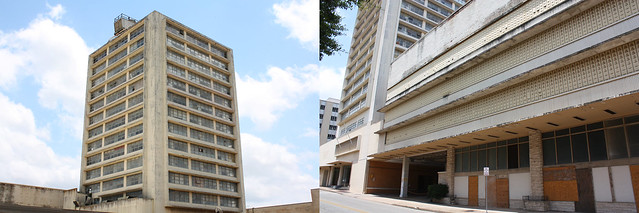
Gazing at the blank-faced tan shell of the former Carlton Hotel today, it’s hard to imagine that in 1954, 4,000 people flocked to downtown Tyler to celebrate its glitzy grand opening. Considered at the time the height of local luxury, the $2 million dollar, 200-room hotel boasted air conditioning, tvs, an automatic elevator, and even a rooftop pool.
Since then, the Carlton has fallen on less glamorous times, closing in 1971 and being reborn as office space for Smith County staffers from 1977 to 2013. The county searched high and low for a buyer and finally sold the former hotel to a Dallas-based developer who suggested a plan to turn it into loft apartments—keeping the pool and cabana, of course.
In March 2018, the city issued a building permit for demolition of the first floor. The Dallas-based developer, Tai Ly, was required by the city to begin construction by October 2018, but never applied for the required permits. The terms of the contract specified that he had to apply for the permits within three months, start construction within nine months, and make improvements to the property within 36 months. Now, according to Amber Rojas with the City of Tyler, the city is working with national consulting firm Retail Coach to scope out potential buyers to buy Ly out and move on.
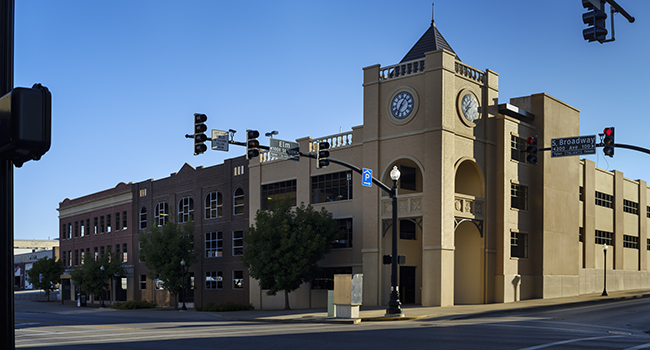
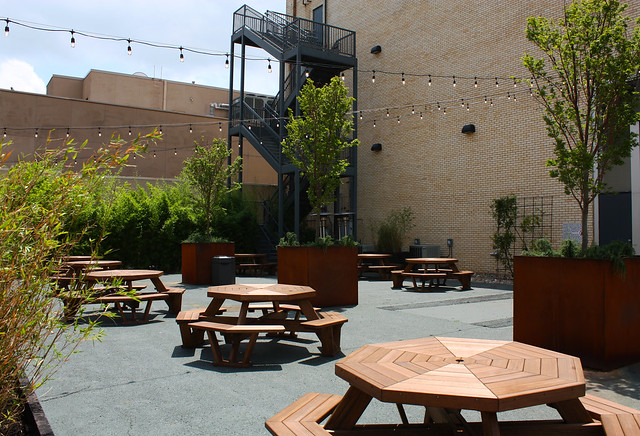
In the fall of 2018, The Foundry paved over most of its parking lot and turned it into a 1,500-square-foot patio with octagonal picnic tables and edible gardens, injecting some much-needed greenery south of the downtown square. “On nice days, the whole patio is full,” says operational manager Brittany Beadle.
More recently, Porch Culture Coffee moved their roastery into a snug room at the back of the coffeeshop. Customers can now watch their coffee get roasted in the 250-square-foot space by Porch Culture co-owner Jonathan Ramm, and enjoy their brew with a view of downtown from the patio.
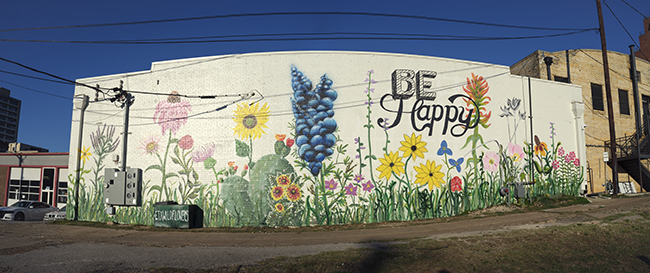
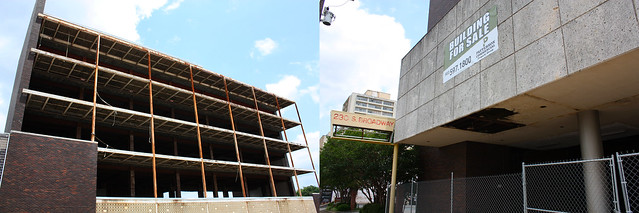
One of famed local architect E. Davis Wilcox’s biggest designs in Tyler is vanishing—the John Tyler High School campus is being totally rebuilt—but for a while, it looked like another was about to get a new lease on life.
In 2017, a group called Invest in Tyler announced that it was transforming the old home of the Downtown Cooperative Savings and Loan building, built in 1956, into loft apartments. Working with Fitzpatrick Architects, they dubbed it the Wilcox Lofts, in honor of the original designer, and said they planned to start pre-leasing in early 2018.
Instead, Invest in Tyler began demolition, never completed it, and has now put the building up for sale. The building has been gutted, with one wall missing and all its windows busted out, leaving the empty frame vulnerable to weather corrosion. Fitzpatrick Architects remains committed to the visions it designed for this property in 2017, but says the clock is ticking as the building sits exposed. “If something doesn’t happen, it would be devastating,” says principal architect Steve Fitzpatrick.
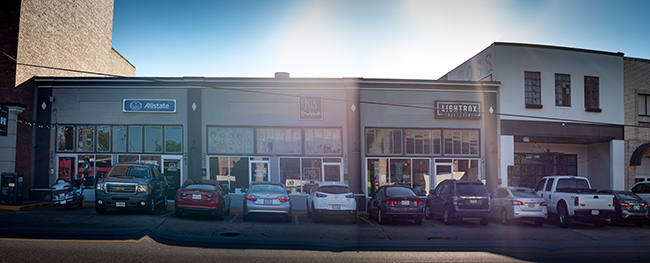
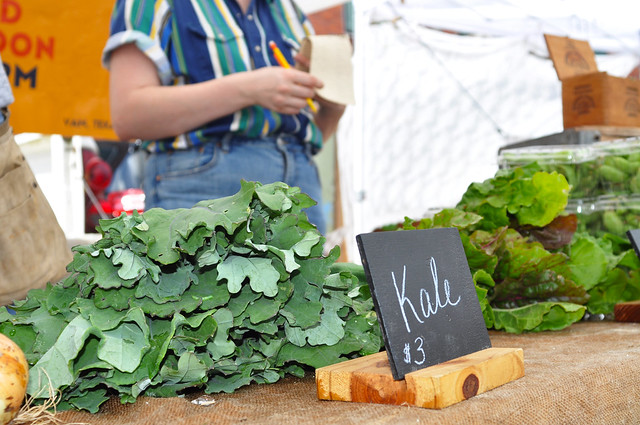
In April of 2018, the Rose City Farmer's Market moved downtown, trading the parking lot of the former Jul's restaurant for the parking lot of Bill's Unclaimed Furniture.
Since launching the market in 2013, founder Carmen Sosa was always on the lookout for a downtown location, one more accessible to Tyler’s underserved communities. She met several times with city and county officials, but a lasting solution never crystalized. In 2017, the owners of Bill's Unclaimed Furniture volunteered space, and the market's then-30 vendors approved the idea. Today, the market brings a flurry of activity downtown every Saturday morning during the season, with live music, free coffee, and shaded picnic benches.
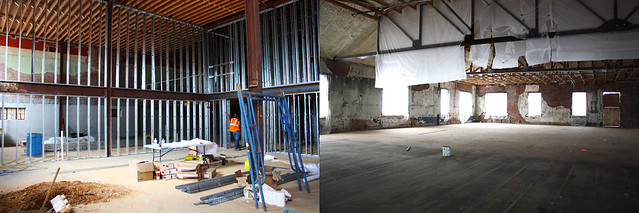
The big brown building next to Bill's Unclaimed Furniture, formerly the home of Barham’s Antiques, is getting a total redo by Martin Heines Real Estate. Now nicknamed "308," the building is turning into a three-story mixed-use retail and residential space.
Early commercial tenants are expected to include a yoga studio and a wine-storage facility on the ground floor, with room for three or four others on the second floor. The third floor is being converted to loft space with panorama views of downtown.
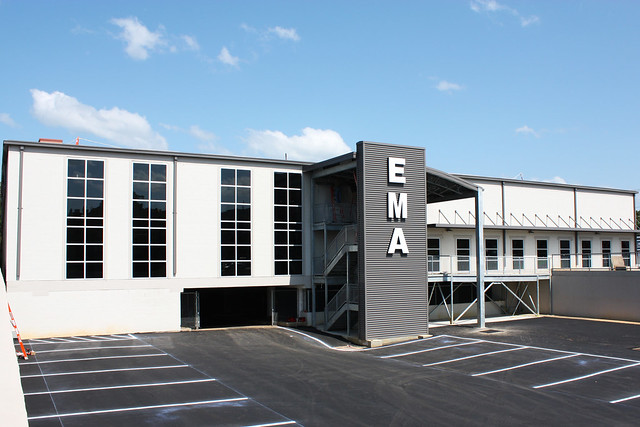
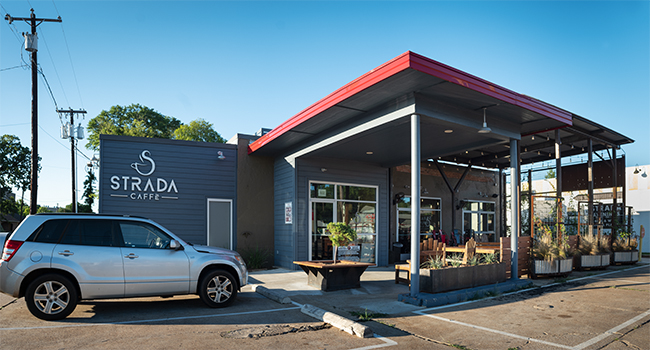
Strada Caffè opened in spring 2016 with aim of bringing a Dallas or Austin coffeeshop vibe to downtown Tyler. The former site of a gas station, Strada was the first retail project by Invest in Tyler, an investment company which was then heavily investing in downtown Tyler.
In December 2018, Invest in Tyler announced that it was putting Strada up for sale, selling both the business and the building as a package through Patterson Commercial Property Group as part of a larger divestment from downtown Tyler.